
Innovation can sound like a big word (or an overused buzz word in some crowds). But I’ve come to think of it more simply.
What is Innovation? The Art of the Possible.
By Diktshya Sharma | Global
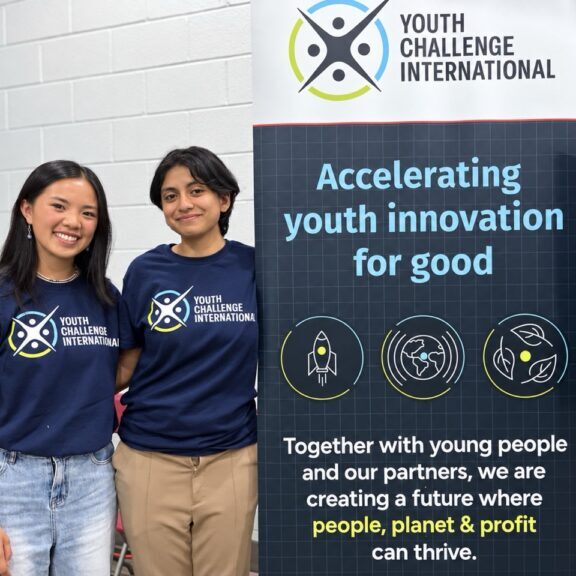
Written by: Diktshya Sharma, YCI staff
Things can stay the same for years…until someone sees an opening or a window, where everyone else sees a wall.
During my time as the Operations & Communications Assistant with YCI Canada, I have had the opportunity to watch the shift from wall to window unfold in real time.
I’ve seen it in HerStart women entrepreneurs around the world turning what might otherwise be waste into useful products. I’ve seen it in young people experimenting with AI to tackle challenges in their communities. And somewhere along the way, my understanding of what it means to innovate has changed.
Innovation can sound like a big word (or an overused buzz word in some crowds). We often associate it with new technology, complicated inventions or ideas that have never existed before. But I’ve come to think of it more simply.
Innovation, I’ve learned, is the art of seeing what is possible. It is thinking outside the box to solve a problem, transforming a creative concept into something tangible, or looking at how something has always been done and asking: Could we do this differently?
Across YCI’s programs, I’ve seen some pretty interesting answers to that question.
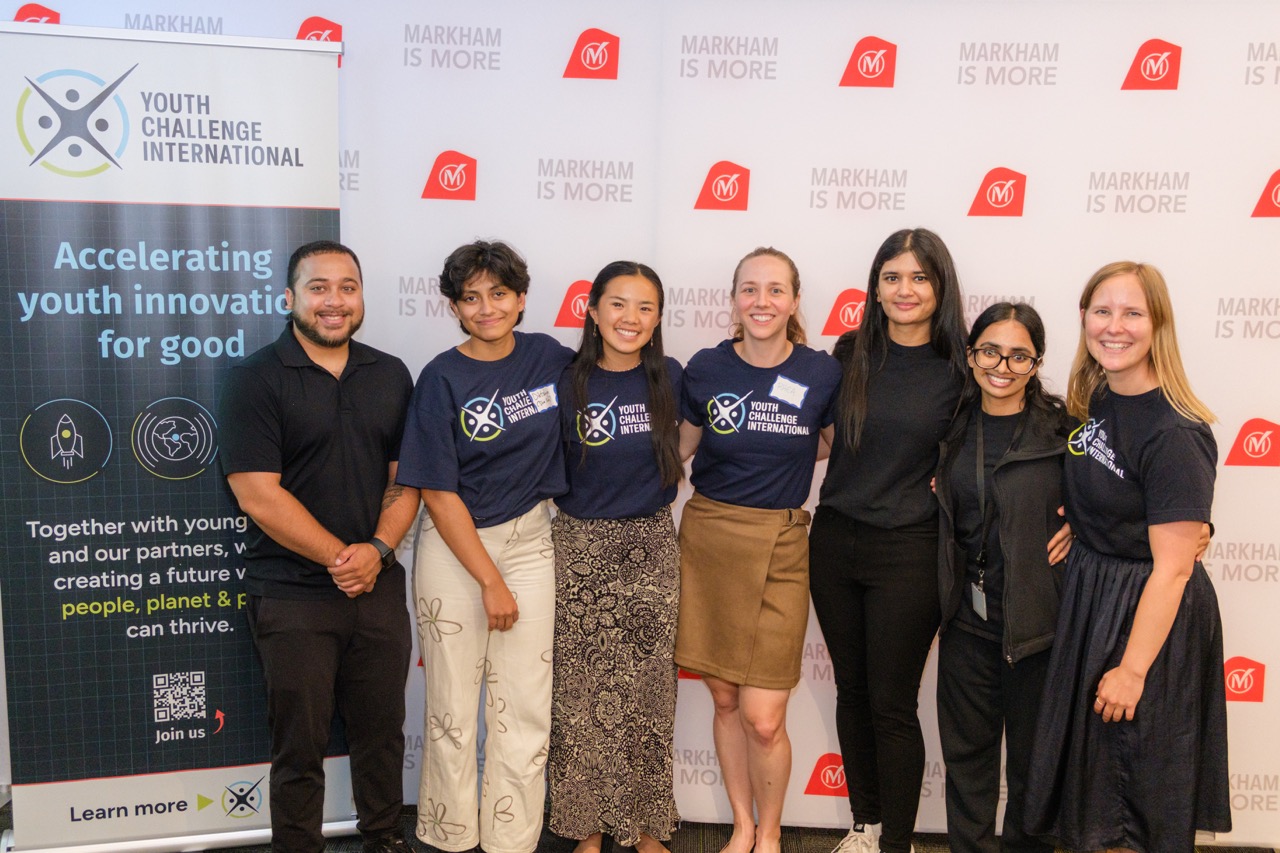
Hey that’s me second from the left, at the final event for Skills Generator in Markham!
When lived experience becomes innovation
Through HerStart: Innovate the Future, YCI supports young women in Ghana, Tanzania and Uganda to develop and scale businesses that respond to real challenges around them.
There is something particularly powerful about where these ideas come from. Women have intimate knowledge of their communities: the products used in their households, the materials available locally and the gaps or frustrations they encounter in their everyday lives. That lived experience can become fertile ground for innovation.
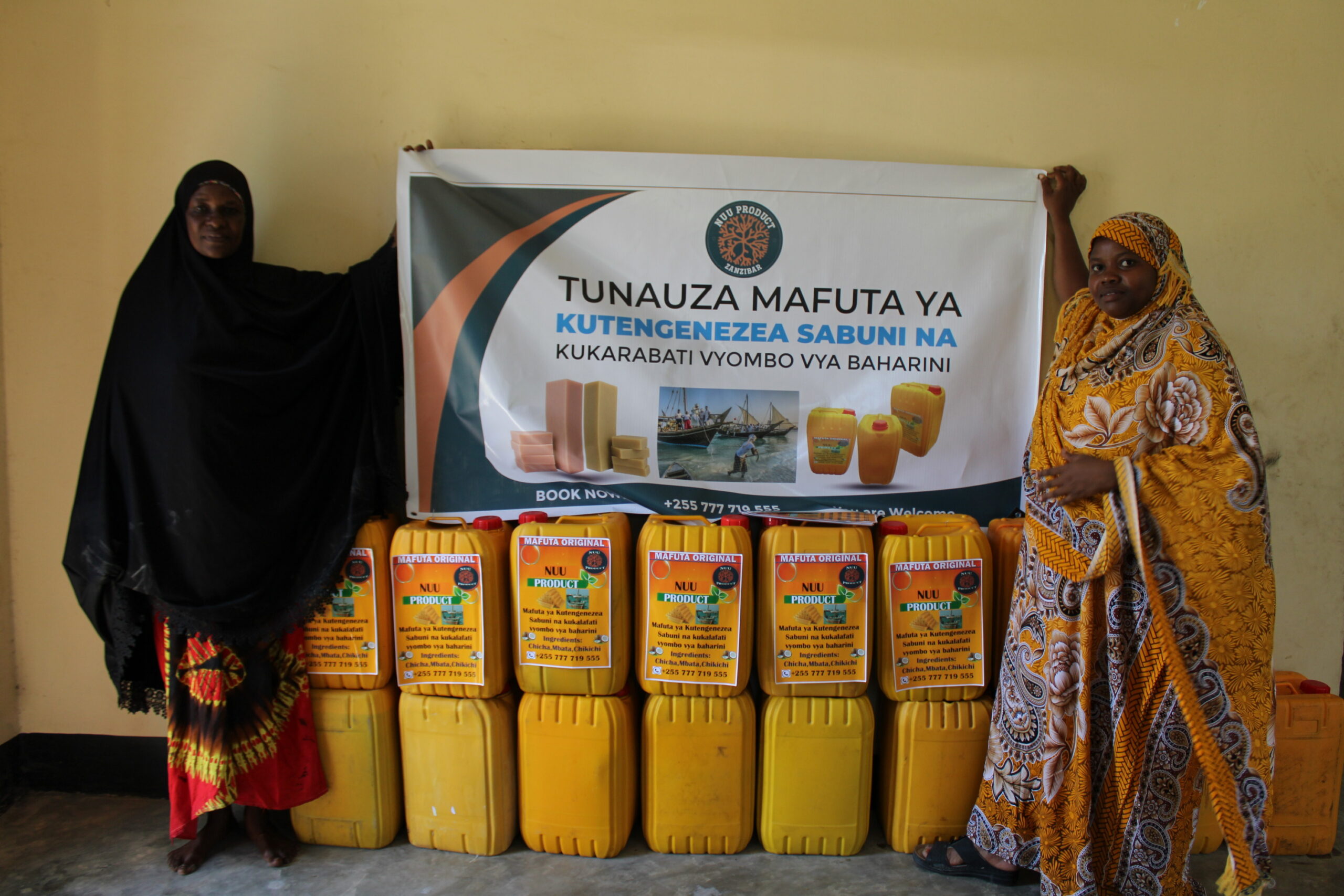
One example in Zanzibar, Tanzania, Nuru’s business Nuu Products saw possibility in something else: coconut waste. Her business turns that waste into coconut oil that can be used for boat maintenance, creating a useful lubricant that is also safer for ocean ecosystems.
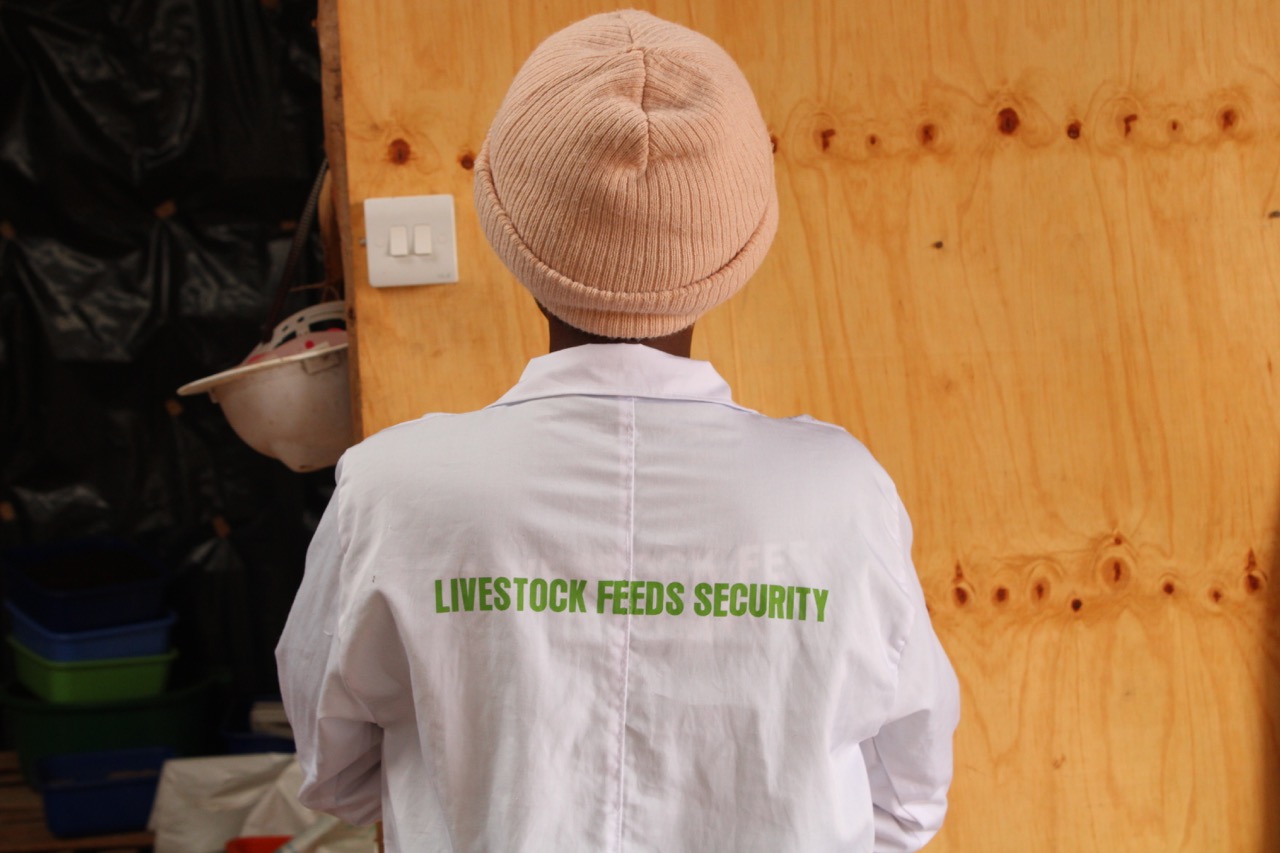
Another in Mpigi, Uganda, is Vicky’s business Farm Plus which is addressing livestock feed security using black soldier flies. By using the pupae stage of the flies as an alternative source of animal feed, her business draws from existing knowledge and natural processes to create a circular solution that reduces competition for conventional food sources.
Rather than working against what already exists, these businesses have found ways to work with it. And the impact goes far beyond the products themselves: greater independence, new jobs and opportunities within their communities and locally grown solutions to problems they know intimately.
Innovation in the age of AI
I also saw innovation take a very different shape in YCI’s Skills Generator: Human x Tech program in Canada.
Throughout the program, young people deepened their artificial intelligence knowledge, design thinking mindsets and leadership skills. They explore how AI works, where it falls short and how it might be used for social good. Then, our partners at the City of Markham of Vaughan brought forward real challenges facing the communities they serve and collaborated with our youth-led teams to come up with creative solutions.
One team tackled a particularly interesting but tricky question from the City of Markham’s Sustainability & Asset Management Department: “how could AI be used to make energy use and greenhouse gas emission issues and solutions feel more relevant and approachable to Markham residents?”
Their innovative idea was to turn learning into play.
They developed two online game prototypes using AI protyping tools. In one, players manage limited resources in a survival-style game and discover how choices like home retrofits can help them better manage resources to become more sustainable (and live longer!). In the other game, residents experiment with different retrofitted systems on imaginary houses and see how their decisions could change greenhouse gas emissions and their utility bills.
Retrofits and GHG emissions can feel like technical, distant concepts. A game makes them something you can see, test and experience in a fun and interesting format.
The information was already there. The innovation was in finding a different way for people to engage with and learn it. People at YCI’s ‘AI for Good’ Pitch Day loved their solution idea so much that they voted this youth-led team and their ‘Sustainable Homes’ game solution idea as the ‘crowd favourite’!
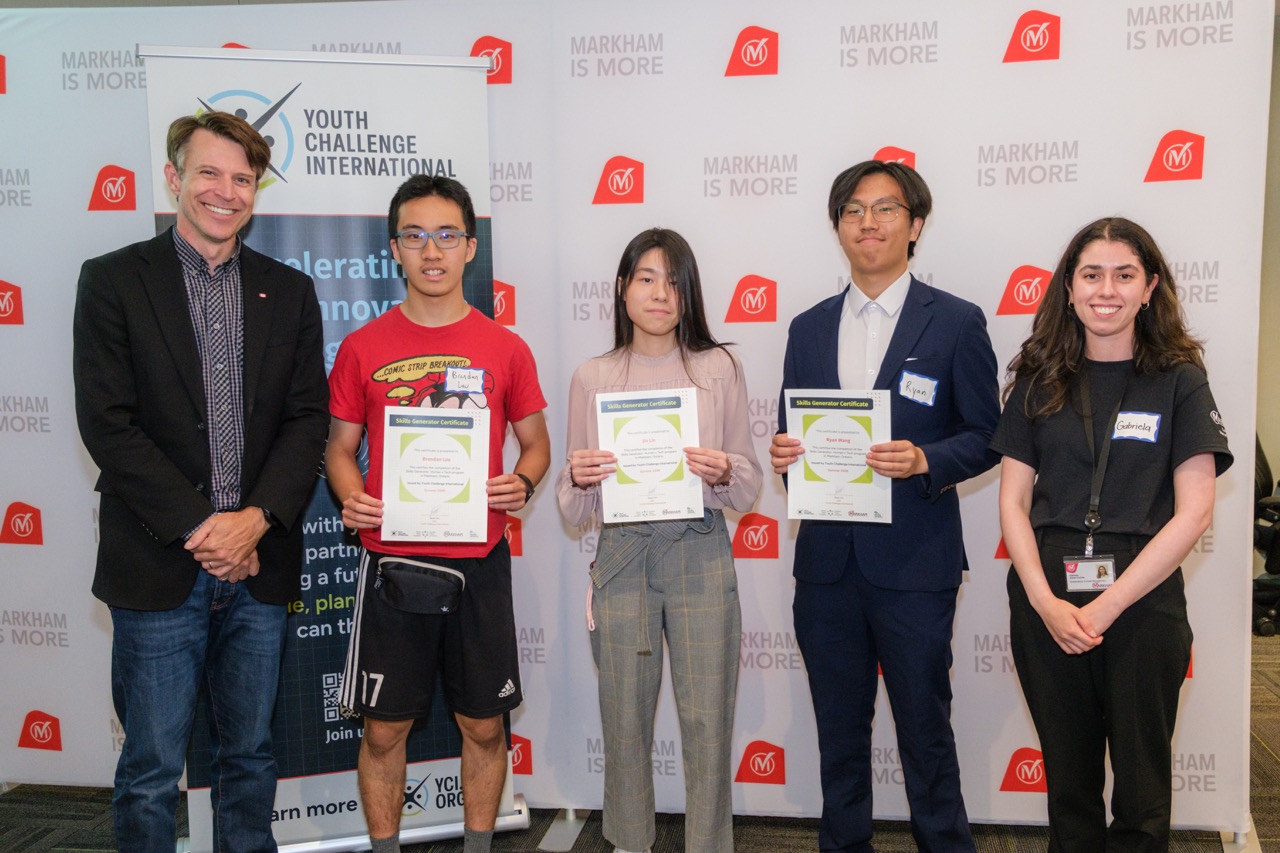
The winning team for Skills Generator with their coaches from the City of Markham!
Seeing what is possible
What I find most interesting about these ideas is that none of them needed to begin with a blank page.
Innovation happened with someone noticing an opportunity and deciding to do something about it, relying on knowledge that already existed, resources that were already there and integrating creative ideas from their own lived experiences.
And perhaps that is why the art of the possible feels like such a fitting way to think about innovation. Working with YCI and our incredible program participants around the worlds has taught me that creativity isn’t a science, it ebbs and flows as more of an ‘art’. It also isn’t just about imagining something the world has never seen before…it can also be found in noticing new potential in what is already around us.
Sometimes, all it takes is a much smaller question:
What else could this be? Could we do this differently?
Want to practice innovation in real life? Discover current opportunities to get involved with YCI.