
Take a look at 2025’s biggest social entrepreneurship trends — and how HerStart is leading the way.
What’s trending for social entrepreneurship this year?
By Mairo Ahmadu | Ghana

Author: Mairo Ahmadu, HerStart International Fellow, Ghana
In my first week as a fellow in Tamale, I met Munirat — a HerStart entrepreneur whose story perfectly captures what social entrepreneurship looks like in 2025.
Munirat is the founder of Atik Ganita, a business doing good in the world by producing all-natural fruit juices, smoothies and snacks. Through her business, she creates jobs for young women, supports local farmers and helps the planet by reducing fruit waste in her community. From the start, it was clear: this wasn’t just about running a business — it was about making impact.

Munirat (center) with two HerStart Fellows (Lolita and Julianne) at the YCI Ghana office.
That same mindset is shaping the future of social entrepreneurship. According to Impact Toolbox, four key trends have been defining the sector in 2025:
- Youth-led ventures are rising
- Impact measurement is non-negotiable
- Financial sustainability is achievable
- Women-powered startups are gaining ground
In YCI’s HerStart program, these trends aren’t just theory — they’re already in action. Supporting young women across Ghana, Tanzania, and Uganda, HerStart is helping turn purpose-driven ideas into scalable businesses. It stands as an example of what is possible when skills and resources come together for good.
Here’s how:
Youth-led innovation, front and centre
Young women like Munirat aren’t waiting to be invited into the economy, they’re building it themselves. HerStart fuels this momentum by offering training, mentorship and funding, creating space for young women to lead as founders and innovators. The businesses they launch tackle real challenges like climate change, economic inequality and community development — proving that youth-led solutions are powerful drivers of change.
Measuring impact from day one
In today’s impact economy, good intentions and promises of change aren’t enough — having data is essential and results matter. HerStart embeds impact measurement into its programming so participants learn how to set goals, track outcomes and tell strong, data-backed stories. These skills help women entrepreneurs attract funding, stay accountable and build businesses designed to last.
Profit with purpose
Sustainable impact needs sustainable revenue. HerStart supports women entrepreneurs to build strong business models that balance social good with financial health. Through hands-on training in financial planning, market strategies and revenue diversification, participants gain the tools to grow resilient businesses that are adaptable and well-prepared for future challenges. This proactive approach minimizes reliance on temporary grants and sets the groundwork for businesses that can flourish independently over the long term.
Advancing gender equity through entrepreneurship
Women continue to face barriers to capital, mentorship and networks — and HerStart tackles these gaps head-on. By prioritizing women entrepreneurs, the program strengthens families, communities and local economies. As HerStart entrepreneurs launch and grow their businesses, they create jobs, open doors for others and help build more inclusive entrepreneurial ecosystems. In this way, gender equity is a vital competitive advantage in the innovation landscape.
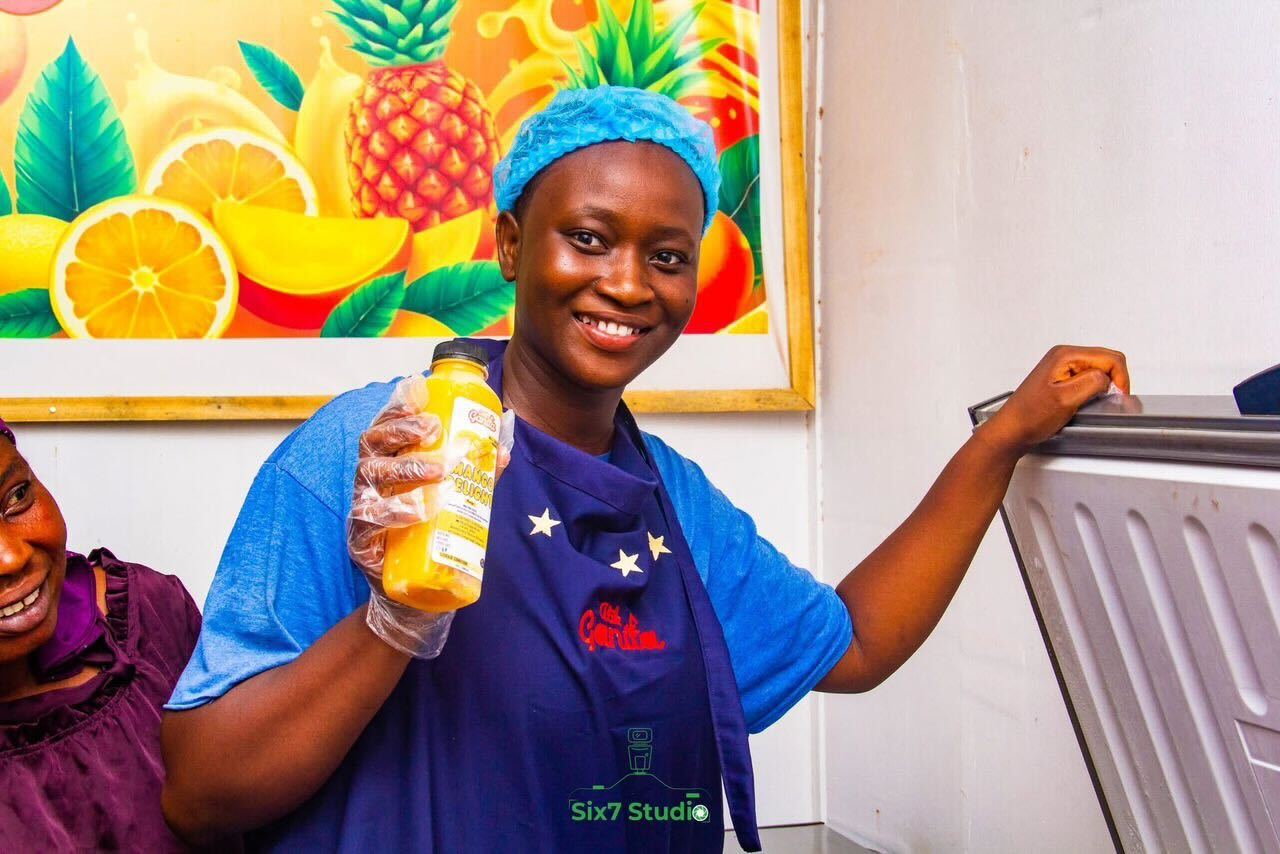
Munirat at her all-natural fruit business in Tamale, Ghana, called Atik Ganita.
As social entrepreneurship continues to evolve, HerStart remains rooted in sustainability, accountability, and youth leadership. By supporting young women to launch and scale impact-driven businesses, YCI is helping shape a future where entrepreneurship works — for profit, people and the planet.
And for Munirat, it’s as simple and powerful as turning fruit into opportunity.